



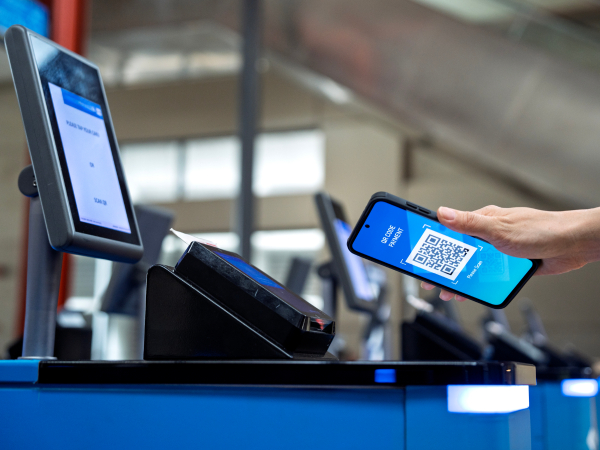







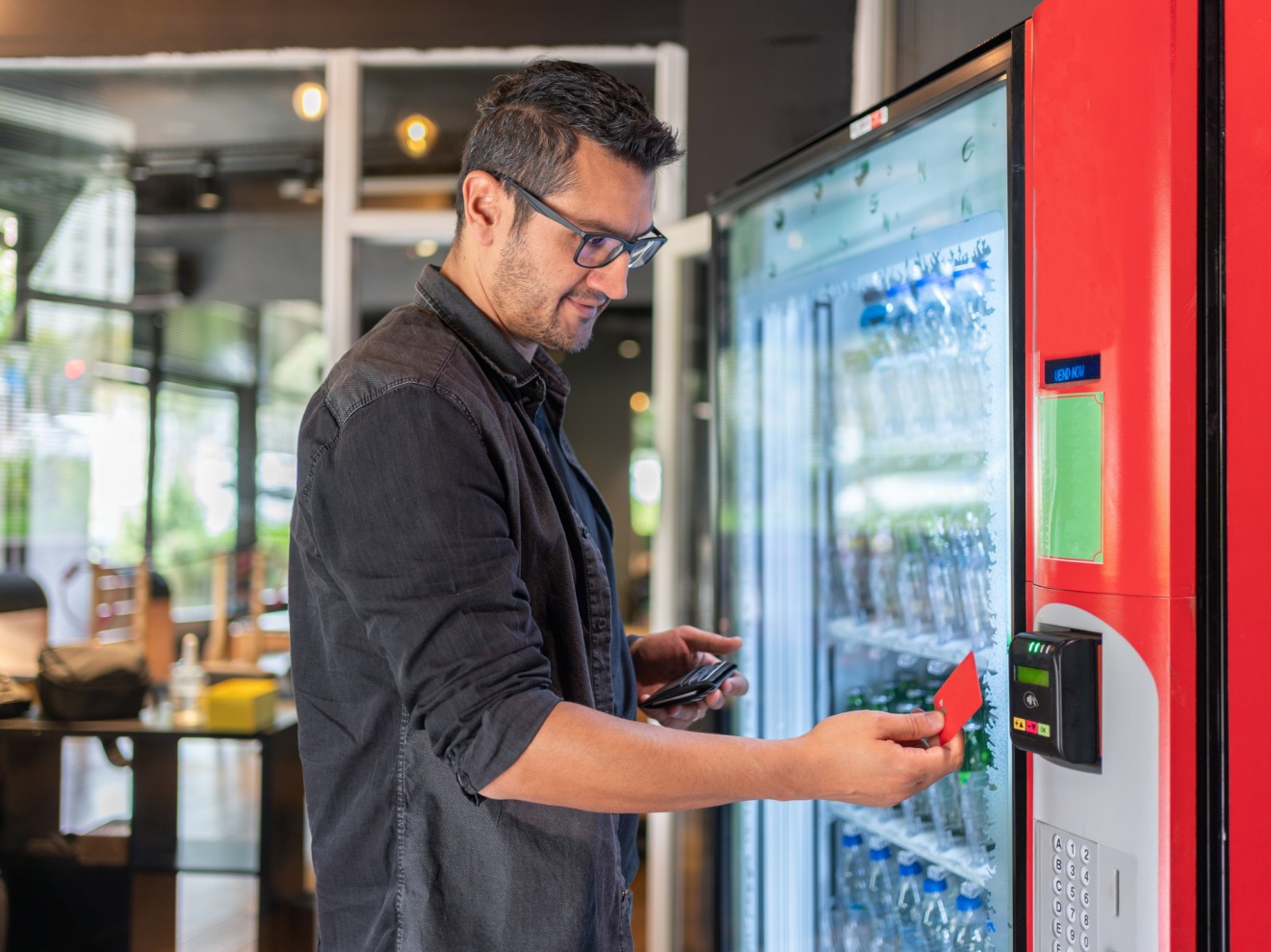
From vending machines and ticket kiosks to EV chargers and car washes, unattended payments have transformed how customers expect to pay. As self-service estates expand, many operators are discovering that supporting every device, payment method and environment isn’t as straightforward as adding another payment terminal.
Before rolling out or upgrading any unattended payment terminal, there are five key questions that businesses and self-service operators should consider:
- Which payment methods do your customers expect, today and in the future?
- Will your existing hardware support them, or does it need upgrading?
- How resilient is your connectivity if one path fails?
- Can your payment platform grow with your business without a full rebuild?
- Will reporting and reconciliation become simpler, or more complicated, as your estate grows?
Taking the time to evaluate these factors early helps businesses and self-service operators to choose the right vending machine or unattended payment terminal at a payment kiosk, car wash or EV charging station setup the first time, rather than reworking infrastructure every time a new device or location comes online.
The Challenge of Legacy Unattended Payments Infrastructure
Much of the challenge of integrating new payment capabilities lies in the existing infrastructure. Many older machines were designed for cash-only transactions and retrofitting them with EMV chip, NFC or mobile wallet support means aligning hardware, software and connectivity all at once. Adding unattended contactless payment or unattended card payments to a cash-only unit isn’t always a simple swap and upgrading an ageing unattended POS can quickly turn into a drawn-out, costly project if it isn’t planned properly.
The deployment environment adds another layer of complexity. Whether operators are managing a handful of unattended devices or a large multi-site estate, disconnected systems, multiple vendors and proprietary technologies can make scaling more difficult and costly than it should be.
Many organizations are moving toward a unified payment infrastructure to simplify deployment and manage future expansion. Flexible infrastructure should make it easier to integrate new devices, support the payment methods customers expect, maintain reliable connectivity and scale into new environments without extensive redevelopment each time.
Put simply, consumers don’t think about payment infrastructure. They expect every transaction to work. So, whether you’re deploying an vending machine, modernizing a car wash or expanding an EV charging network, building flexible infrastructure today makes it easier to support tomorrow’s payment expectations.
Ready to Build Unattended Payments Infrastructure that Scales with You?
Download Back to Basics: Payments & Connectivity for Self-Service and Vending Businesses to explore payment terminology, connectivity fundamentals, compliance considerations and a practical setup checklist for building a more resilient self-service payment infrastructure.
David Hore is the Senior Director of Accept and Payment Orchestration for TNS Payments Market.
Prepared with assistance from AI.
Download Back to Basics: Payments & Connectivity for Self-Service and Vending Businesses
Explore payment terminology, connectivity fundamentals, compliance considerations and a practical setup checklist for building a more resilient self-service payment infrastructure.