









Toll booth scams have surged over the past year as fraudsters exploit the routine nature of toll payments with convincing smishing texts, fake violation notices and spoofed payment websites designed to steal money and personal information.
Phishing Texts and QR Codes: How Fraudsters Make Toll Booth Scams Look Real
These messages, which appear legitimate but are from fraudulent actors, often claim that a toll balance is overdue or that a violation has been escalated, then pressure the recipient to act and provide personal or banking details before additional penalties or legal action occur.
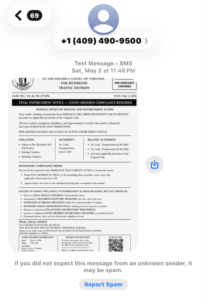
In the recent smishing attempt TNS found above, the message includes threatening phrases such as “This matter has been escalated” and “This matter will proceed without further notice.” Language like this is a common fraud tactic. Scammers want targets to feel rushed, worried or intimidated enough to act without stopping to verify the notice.
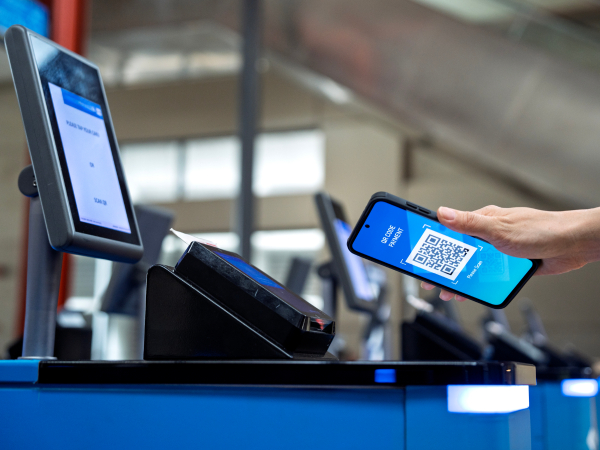
Additionally, like in the above image, these types of attacks include a QR code or link that directs recipients to websites designed to resemble a legitimate toll agency portal. These fake toll payment websites may use official-looking logos, familiar toll road names and payment forms that appear credible. Scammers, however, commonly rely on domains with extra letters, missing letters, misspellings or unusual endings to imitate a real agency site. Remember: for government-operated toll agencies, legitimate websites typically end in “.gov,” whereas privately operated toll roads may use “.com” or “.org.”
How Consumers Can Avoid Toll Booth Scams
Like with most fraud, for toll phishing scams it’s important to pause and assess before engaging by clicking a link or submitting payment. Review the sender of any unexpected or unsolicited texts, along with website links.
Regardless of the look of the message and linked site, it is best practice to not use the link or QR code included in the text. Instead, independently contact the toll agency through a verified phone number and check the balance through official channels.
As these scams continue to spread, awareness remains critical. Report suspicious messages, delete them and share warnings with friends and family so others know what to watch for before fraudsters can turn a routine toll notice into a costly mistake.
TNS Call Guardian® delivers industry-leading reputation profiling to identify call spoofing and unwanted robocalls in real time, helping Communications Service Providers (CSPs) protect consumers from scam campaigns. Analyzing more than 1.9 billion call events each day and leveraging Do Not Originate (DNO), unallocated, invalid and unassigned numbers alongside STIR/SHAKEN and advanced analytics, it helps detect and stop suspicious calls or texts from reaching consumers.
Stay informed, share awareness of the latest scams and explore our monthly Scam of the Month updates.
John Haraburda is Product Lead for TNS Call Guardian® with specific responsibilities for TNS’s Communications Market solutions.
Call Guardian is a registered trademark of Transaction Network Services, Inc.
Prepared with assistance from AI.

Scam of the Month
Stay vigilant, share information about scams with others and be sure to check out our monthly Scam of the Month page updates.