










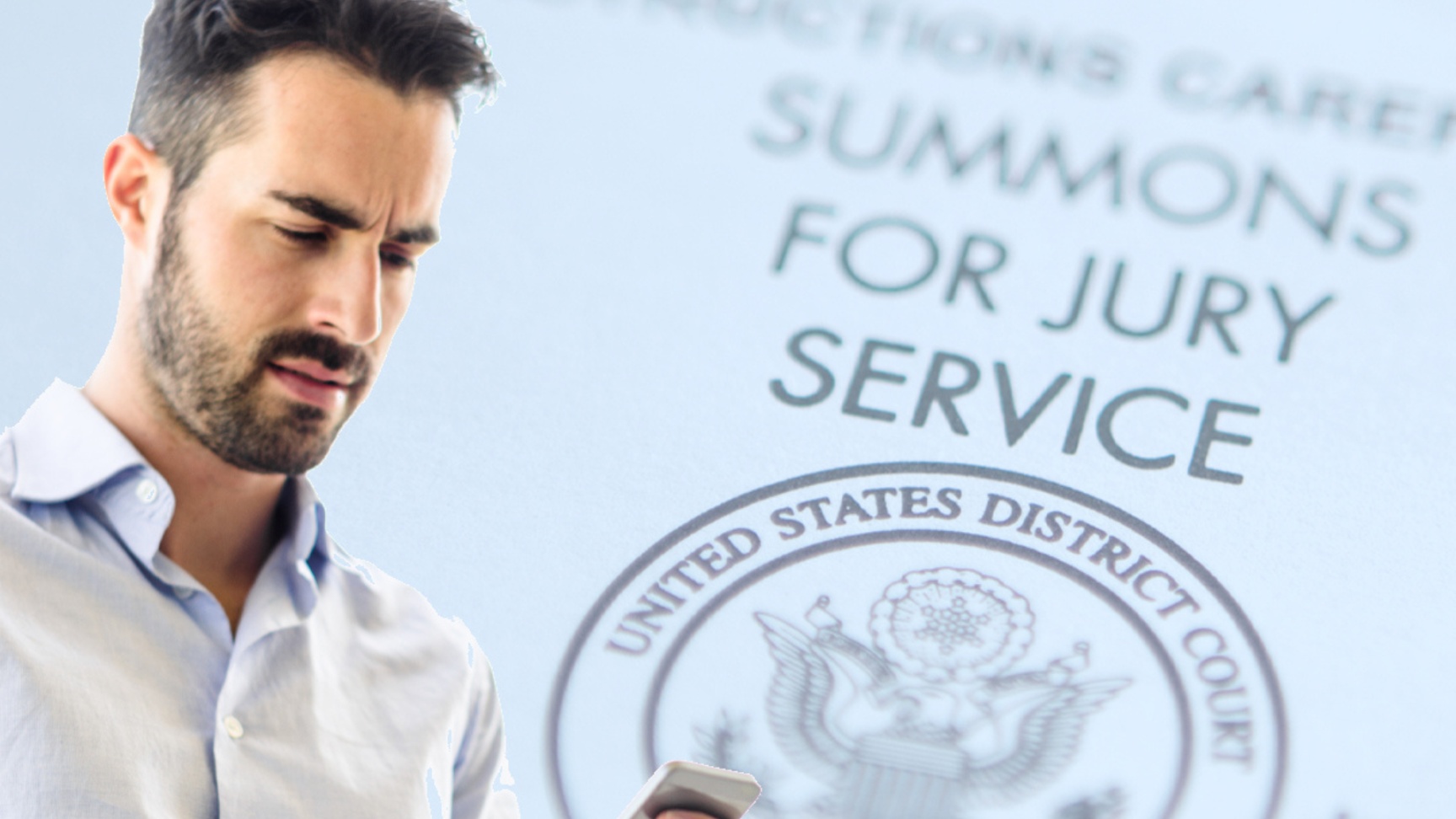
In the United States, jury duty is an important civic responsibility, but scammers are exploiting the fear of missed service to pressure you into handing over personal information or money before they have time to think.
How Jury Duty Scam Calls Work
A jury duty scam often begins with an unexpected call, text or email from someone claiming to represent a court, police department or the U.S. Marshals Service. The message is urgent: you failed to appear for jury duty, a warrant has been issued and immediate payment is the only way to avoid arrest. The story is false, but familiar names, official-sounding details and spoofed caller ID can make it feel convincing.
They claim the fine can only be paid by going to the police station or through a website. That website is fraudulent and the payment is usually untraceable or difficult to reverse, such as purchasing gift cards or prepaid debit cards, using a payment app like Zelle or Venmo, wire transfer or cryptocurrency.
Red Flags That Signal a Scam
Jury duty scam calls are designed to create panic, but several warning signs can expose the scheme. Be cautious if the caller:
- Threatens immediate arrest or says you cannot hang up.
- Demands payment by gift card, payment app, cryptocurrency, wire transfer or prepaid debit card or there will be further legal action.
- Asks for sensitive personal information, such as a Social Security number, or birth date.
What Legitimate Jury Duty Communications Look Like
Jury communications are most often sent through the U.S. mail. For some jurisdictions, they will include information for an official, legitimate online portal on a government website where they can get more timely updates on their summons, but that process always starts with mail. These organizations do not typically contact a juror via a phone call or email. Regardless of their communication methods, you will never be legitimately threatened with arrest or demands for payment or asked for personal information.
What to Do if You Receive a Jury Summons Scam
If a caller pressures you to act immediately or insists on a specific, hard-to-reverse payment method, end the conversation and look up the court’s official website or clerk’s office online and contact them directly. Do not pay, share personal information or follow links provided in the message.
You can also report suspected juror scams to the Federal Trade Commission (FTC). If you already sent money or disclosed sensitive information, review the FTC’s guidance on what to do if you were scammed and contact the relevant financial provider immediately.
Some companies are already proactively stopping, blocking and mitigating these scams before they can reach you. TNS Call Guardian®, for example, delivers industry-leading reputation profiling to identify call spoofing and unwanted robocalls in real time, helping Communications Service Providers (CSPs) protect consumers from jury duty scams. Analyzing more than 1.9 billion call events each day and leveraging Do Not Originate (DNO), unallocated, invalid and unassigned numbers alongside STIR/SHAKEN and advanced analytics, it helps detect and stop suspicious calls or texts from reaching consumers.
In addition, TNS Branding and Call Authentication Suite helps public service and law enforcement agencies build public trust, reduce impersonation risk and make legitimate calls more recognizable, supporting verified agency connections. This comprehensive suite of products includes: Spoof Protection, TNS Enterprise Branded Calling and Telephone Number Reputation Monitoring. Together, they secure identity, establish recognizable branding and provide visibility into how calls are labeled. This creates a complete framework for trusted outbound communications across the enterprise.
John Haraburda is Product Lead for TNS Call Guardian® with specific responsibilities for TNS’s Communications Market solutions.
Call Guardian is a registered trademark of Transaction Network Services, Inc.
Prepared with assistance from AI.

Scam of the Month
Stay informed, share awareness of the latest scams and explore our monthly Scam of the Month updates.