









Today’s self-service businesses face a rapidly evolving payment landscape. Customers expect seamless, omnichannel experiences and a wide array of payment options, from cards to digital wallets and loyalty programs. Meanwhile, technology and regulatory demands are accelerating, making payment ecosystems more fragmented and complex than ever.
In this blog we uncover five key challenges self-service merchants face – from rising customer expectations to escalating security and regulatory pressures – and show how payment orchestration can simplify complexity, boost resilience, and future-proof their payment ecosystem
Five key challenges:
- Rising Customer Expectations: Shoppers want frictionless payments across all channels, including unattended terminals and online platforms.
- Fragmented Technology: Legacy systems, new hardware, and proliferating payment methods create integration headaches.
- Escalating Risk: Payment fraud and outages threaten both revenue and reputation. Security and compliance (e.g., PCI DSS) are non-negotiable.
- Global Growth Needs: Expanding into new markets requires localized payment solutions and regulatory expertise.
- Increasing Regulatory Pressure: Compliance with standards like PCI DSS and data privacy laws is more complex as businesses scale.
Why Payment Orchestration Matters
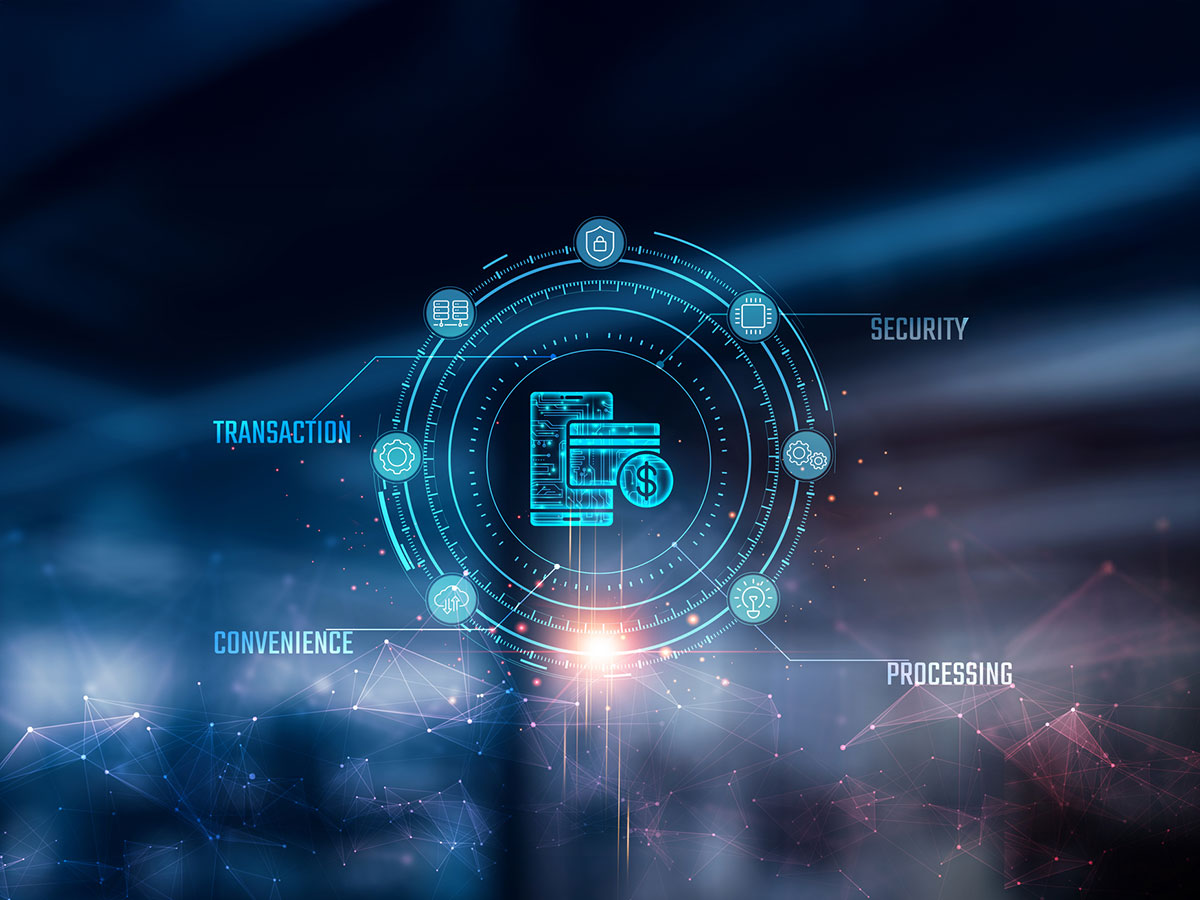
Payment orchestration is emerging as the solution of choice for merchants. It acts as a unified API layer, integrating multiple payment providers, acquirers, hardware, and software into a single, flexible platform. This approach enables self-service businesses to:
- Increase new ways to pay with turnkey ability to add online alternative payments
- Optimize transaction routing for higher success rates and lower costs
- Reduce operational complexity with streamlined reconciliation and unified data insights
- Accelerate time-to-market for new payment methods and geographies
- Ensure compliance and security across all channels
Self-Service Use Case: Unattended Terminals
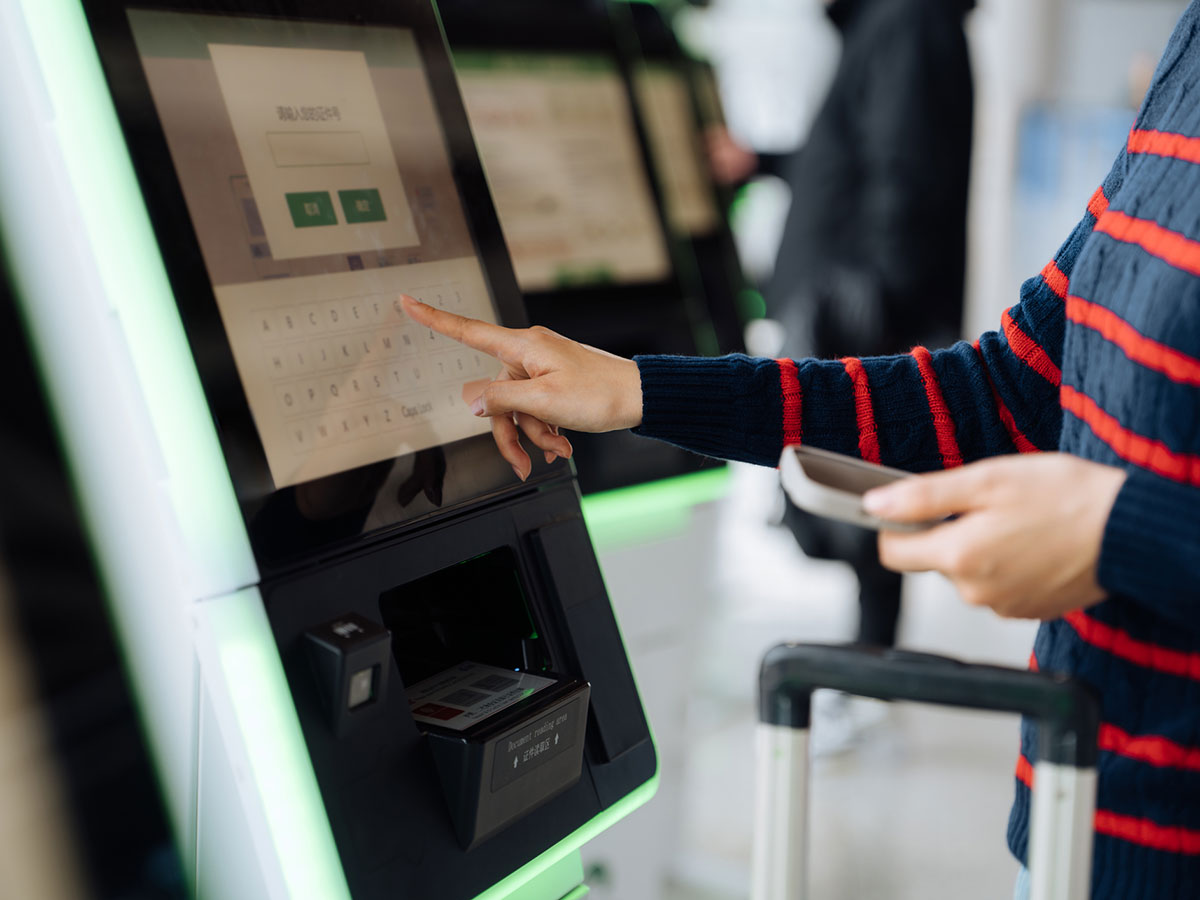
Consider a self-service business operation with multiple sites. With payment orchestration, the self-service business can connect multiple payment processors, support contactless and mobile wallet payments, and integrate legacy kiosks, all through a single platform. This guarantees near-100% uptime, seamless customer experiences, and consolidated payment data for better business insights.
What to Look for in a Payment Orchestration Solution
- Omnichannel support: In-person, online, mobile, and unattended terminals
- APM-enabled: Accepts cards, wallets, buy-now-pay-later, and more
- Scalable and flexible: Grows with your business and adapts to new technologies
- Risk-reducing: Advanced security and fraud protection
- Compliant: Meets PCI DSS and other regulatory standards
- Easily managed: Simplifies operations for your team
The Bottom Line
For self-service businesses, payment orchestration is the key to navigating complexity, driving growth, and delivering the seamless experiences customers expect. A flexible orchestration platform, combined with a robust connectivity, can future-proof your payment ecosystem and stay ahead in a competitive market.
Ready to Simplify Your Self-Service Payments?
Explore how TNS Complete Commerce can help you accept, connect, and orchestrate payments securely and efficiently, wherever your business operates. Contact our team now.