








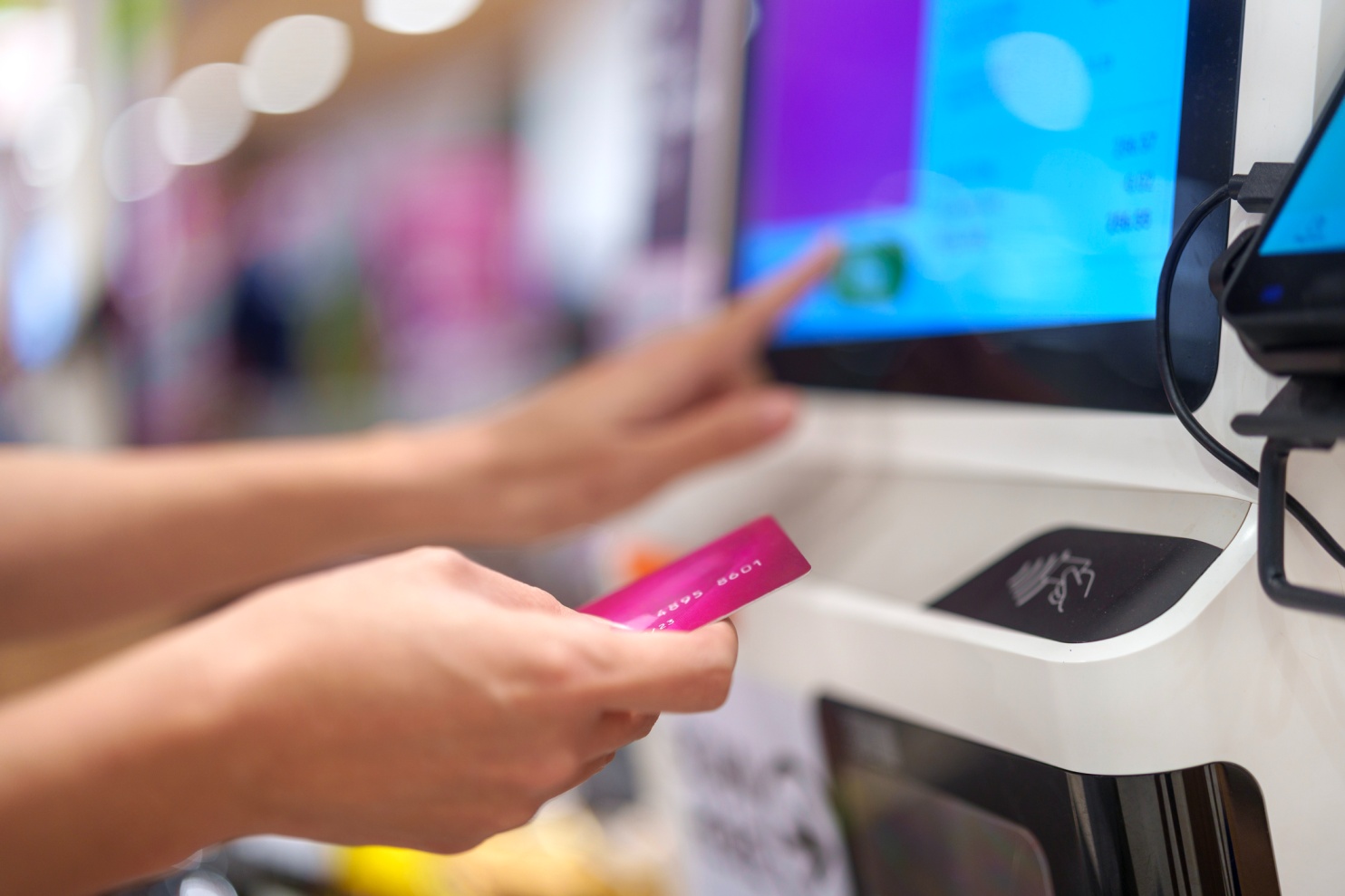
Payment habits are evolving rapidly, but one theme remains constant: consumers want payments to be simple.
In this blog, we explore the most popular payment methods today, from credit cards and mobile wallets to online and contactless options and compare how they rank across Australia, the United Kingdom and United States. These insights are backed by fresh TNS survey data from the Keeping Payments Simple: Exploring Consumer Demand for Seamless Payment Methods white paper, which reflects the views of more than 3,000 consumers across these regions.
Credit and Debit Cards Remain the Most Popular Payment Methods
Cards are still the cornerstone of modern payments. Across all three countries, card payments are still the favorite payment method for consumers when asked what their most commonly used method for payment of goods and services is:
| Country | Percentage of consumers that most commonly pay for goods/services via card |
| Australia | 66% |
| United Kingdom | 56% |
| United States | 70% |
The enduring strength of cards lies in their familiarity, reliability and ubiquity. Even as new technologies emerge, plastic remains the default option for many.
Mobile and Digital Wallets: The Most Popular Digital Payment Methods Among Younger Generations
Digital wallets are steadily gaining ground, especially with younger consumers. In the UK, 34% of 18–24-year-olds rely on digital wallets while the same demographic in the US reported only a 27% reliance. However, in Australia, 40% of Gen Z’s rely on wallet adoption, highlighting that the younger Australians are leading the way in alternative payment method adoption. What remains the same across the three countries is the sharp decrease in mobile and digital wallet payments with age. As with all areas of technology, the younger digital natives are at the forefront of adoption.
Additionally, consumers cite convenience, biometric security and faster checkouts as benefits, but uneven infrastructure and adoption gaps mean digital wallets are not yet universal.
Contactless Payments and Self-Service Options
Self-checkouts and contactless methods are increasingly part of everyday retail. In the US, 38% of young consumers say they use unattended or self-service checkouts most often. In Australia, 28% avoid self-checkouts, compared to only 16% in the US.
These figures show both opportunity and resistance. Consumers value speed, but tolerance for friction is low: if systems fail or slow down, loyalty suffers. For payment providers, the data on regional adoption of unattended and self-service checkouts across the three countries (urban v rural, for example) should be of interest.
Online Payments: Different Ways of Paying Across Regions
Online shopping continues to reshape payments, with online payments ranking as the second preferred payment method in the UK (33%) and the US (28%). In Australia, they ranked third behind in-person payments and unattended payments, with only 18% reporting online payments as their most commonly used method.
Payment Preferences in the US
Geography shapes payments as much as technology. In the US, while adoption to digital wallet payments falls behind Australia and the UK overall, there are regional differences across the country to the use of these alternative payment methods. The West is almost twice as likely to pay via mobile or digital wallets as those in the Midwest.
Ways to Pay in the UK
In the UK, the top regions adopting mobile and digital wallet payments are Northern Ireland, Greater London and the South East, while regions such as the North East and Wales have a much lower adoption rate.
In Person a Popular Payment Method in Australia
Australians, by contrast to Americans and Brits, remain more tied to in-person payments, reflecting their cultural preference for face-to-face commerce. Digital payment adoption is low across all states and territories, but what does stand out is Victoria’s 19% preference for this payment method, more than double the adoption in Queensland and 4% higher than New South Wales.
These differences highlighted in this research demonstrate why global businesses need flexible strategies: no consumer is the same, the payments industry cannot take a ‘one-size fits all’ approach for the current ecosystem that embraces both traditional and modern payment methods.
From credit cards and debit cards to mobile wallets and online checkouts, the landscape of popular payment methods is dynamic and varied. Yet across markets, one message is consistent: consumers demand payments that are fast, reliable and above all, simple.
Keeping Payments Simple White Paper
For the full story, including generational and regional deep dives, read our Keeping Payments Simple white paper to explore how enterprises can deliver seamless payment methods.