



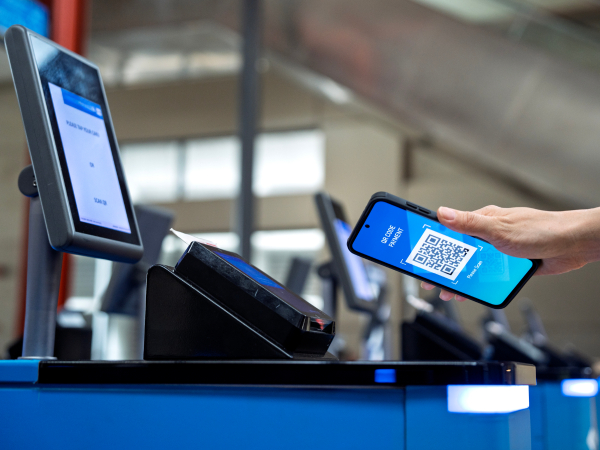







Payments modernization is a business necessity, not just an industry buzzword. As digital commerce, real-time transactions and omnichannel payments become the norm, PSPs and acquirers are under pressure to deliver seamless, secure and globally scalable payment experiences.
Yet for many, the infrastructure they depend on hasn’t caught up. As highlighted in TNS’s latest eBook on global payment connectivity, research shows that 85% of consumers are less likely to engage with a business again after a poor payment experience. That frustration can usually be traced back to one root cause: fragmented connectivity.
For many organizations, payments modernization efforts stall because legacy connectivity models can often make change difficult to execute at scale. TNS has identified five pain points that stand in the way of payment operations being able to scale alongside global payments modernization.
Integration Complexity
Modern payment environments span multiple processors, gateways and protocols. Every new market a PSP enters can mean a new set of proprietary formats to support, new testing environments to build and new compliance audits to pass, all before a single transaction goes live.
Connectivity Failures
Uptime is a non-negotiable in payments, but carrier outages and SIM mismanagement remain common causes of downtime in unattended and wireless terminals. Without redundancy built in, a single network failure can mean lost transactions and lost trust, which is why operating resilience in payments modernization has become a board-level priority.
Security and Compliance Mandates
PCI DSS, PSD2 and DORA were designed to protect consumers and the wider payment ecosystem, but for PSPs and acquirers operating across borders, meeting different regulatory requirements in every jurisdiction adds real cost and complexity to every rollout.
Operational Inefficiency
Manual SIM provisioning, fragmented billing and reactive troubleshooting all eat into the time and budget that should be going toward growth. The more vendors involved, the harder it becomes to see, and fix, where the friction is coming from.
Scalability Barriers
Inconsistent infrastructure across regions and limited visibility into transaction performance can turn international expansion into a drawn-out and costly exercise.
Individually, each of these challenges is manageable but together, they slow down progress for PSPs and acquirers trying to support global payment growth. The businesses doing this best are the ones treating connectivity as a strategic foundation, building toward operations that can flex across regions, processors and payment methods without adding risk.
That’s the bigger story behind payments modernization: it isn’t only about new technology, but more importantly, it’s about removing the friction that stops PSPs and acquirers from scaling with confidence.
Want to explore these challenges in more detail? Download the TNS eBook, Resilient Unified Connectivity for Global Payment Growth, to learn how PSPs and acquirers are addressing integration complexity, resilience, compliance and scalability through a unified connectivity approach.
Austin Herrington is the Senior Director of Product Management – Connect Portfolio for TNS Payments Market.
Prepared with assistance from AI.

Download the TNS eBook: Resilient Unified Connectivity for Global Payment Growth
Learn how PSPs and acquirers are addressing integration complexity, resilience, compliance and scalability through a unified connectivity approach.