






As vending networks expand and customer expectations rise, technical teams face mounting pressure to deliver payment systems that are secure, reliable, and easy to manage. The research from TNS and Flagship Advisory Partners highlights how payment orchestration can help vending operators overcome integration challenges, boost resilience, and maintain compliance in a rapidly evolving landscape.
The Challenge: Complexity and Fragmentation
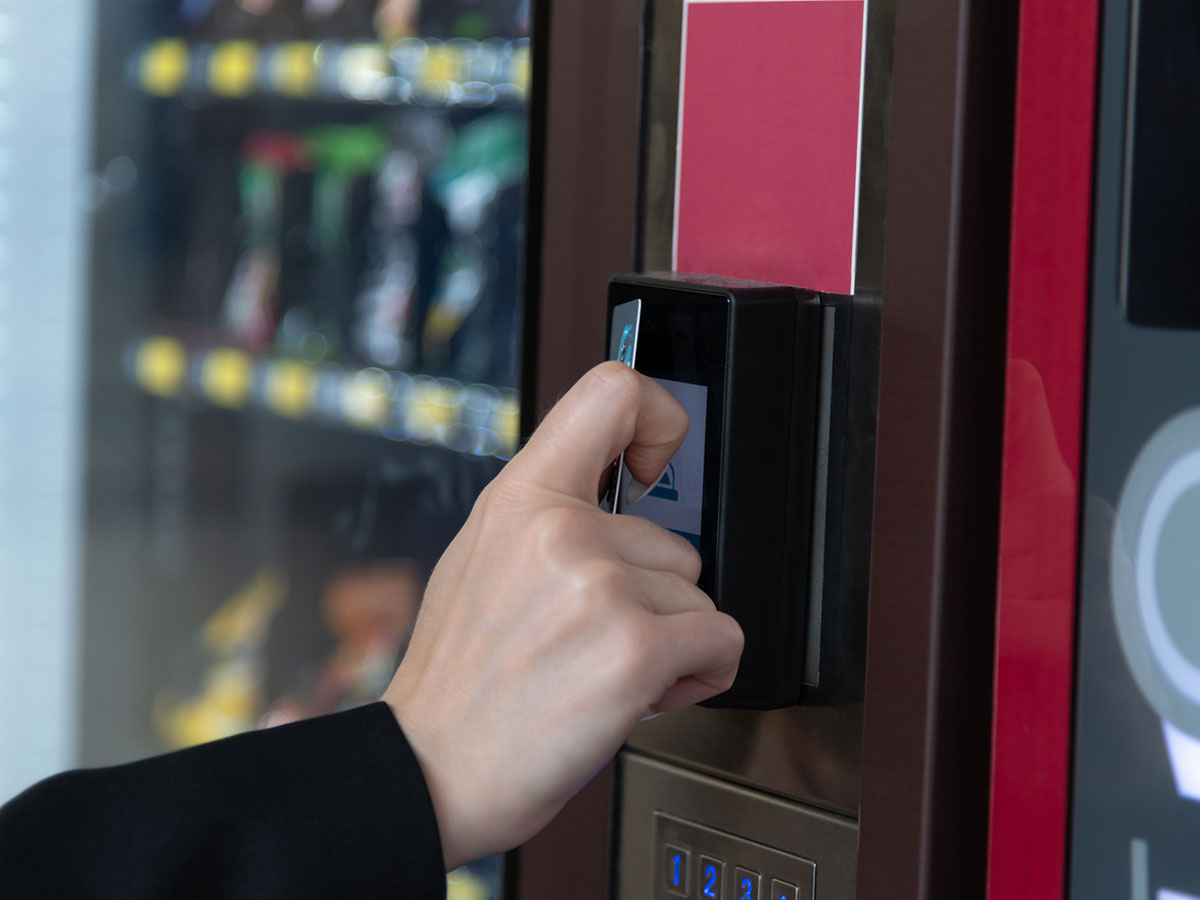
Vending operators must integrate diverse hardware, support multiple payment methods (cards, mobile wallets, QR codes, loyalty), and ensure compliance with standards like PCI DSS. Legacy systems and fragmented vendor relationships often result in manual reconciliation, inconsistent customer experiences, and increased risk of downtime or security breaches.
Payment Orchestration: The Technical Advantage
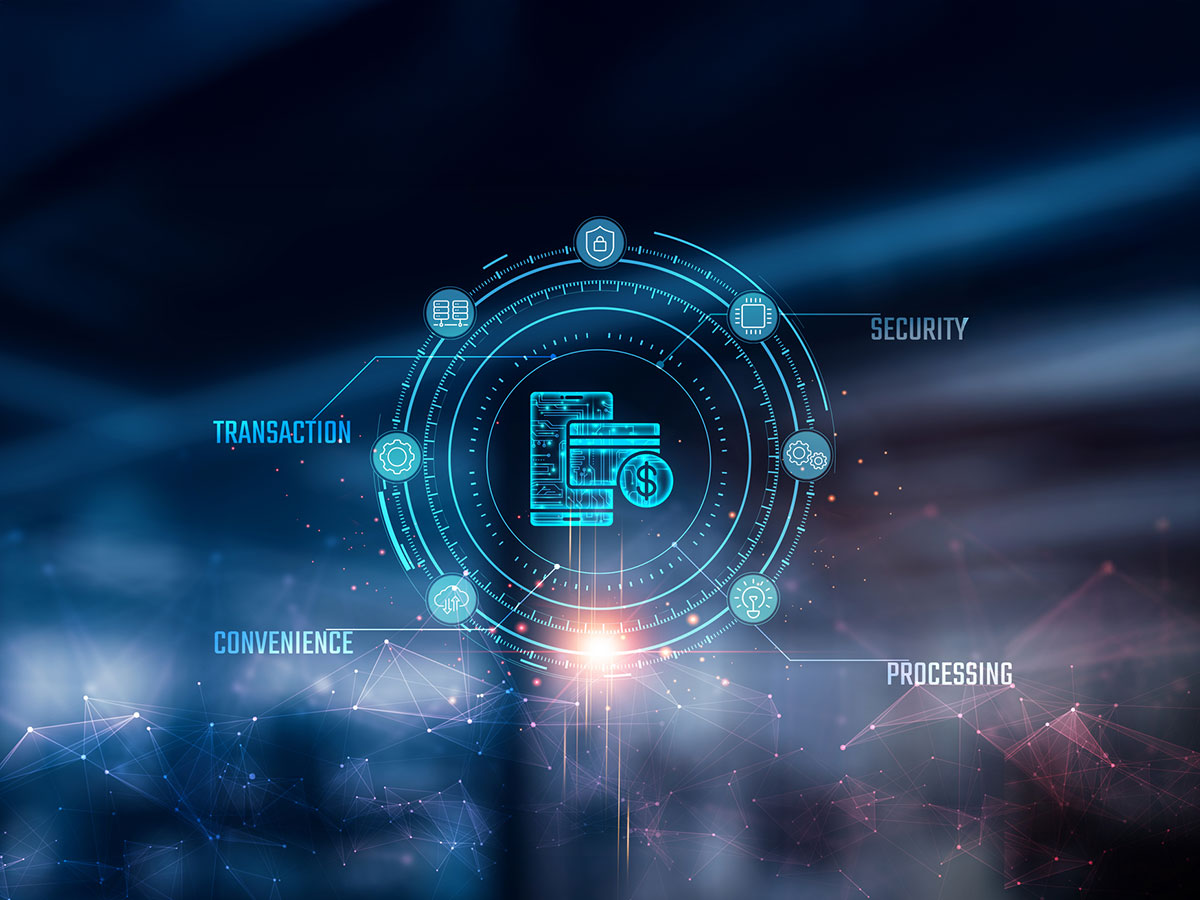
Payment orchestration introduces a unified API layer that connects acquirers, processors, hardware OEMs, and value-added services. For technical teams, this means:
- Simplified Integration: Onboard new endpoints and payment methods quickly, regardless of machine type or location.
- Smart Routing: Transactions are routed based on geolocation, currency, and acquirer performance, maximizing authorization rates and minimizing costs.
- Resilience and Uptime: Failover and redundancy mechanisms ensure near-100% uptime, critical for unattended and high-traffic environments.
- Security and Compliance: Supports tokenization and Point-to-Point Encryption (P2PE), reducing PCI DSS scope and protecting sensitive data from entry to processor.
- Unified Data Management: Aggregates payment data across channels for streamlined reporting, reconciliation, and actionable insights.
Lessons in Building Resilient Networks
1. Design for Redundancy
Implement multiple connectivity options with high availability (e.g., multi-carrier SIMs, backup networks) to minimize downtime and ensure transactions are processed even during outages.
2. Prioritize Security
Adopt PCI DSS Level 1 certified solutions, leverage tokenization for card-on-file, and use P2PE to protect data in transit. Regularly update software and monitor for vulnerabilities.
3. Centralize Management
Use orchestration platforms to unify reporting, device management, and reconciliation. This reduces manual effort and enables faster troubleshooting.
4. Enable Scalability
Choose solutions that natively connect large payment community networks and support rapid integration of new payment methods and hardware, allowing your network to grow without major reengineering.
Real-World Impact
Vending operators who embrace payment orchestration see tangible benefits: reduced operational complexity, improved uptime, enhanced security, and the agility to support new payment experiences. Technical teams gain the tools to future-proof their networks and deliver seamless, secure transactions at scale.
Conclusion
By leveraging payment orchestration, technical teams can unify transactions, streamline operations, and safeguard customer data across every machine in their fleet. Building resilient vending networks requires more than just reliable hardware – it demands a strategic approach to payment integration and security.
Ready to Strengthen Your Vending Payments and Network Technology Stack?
With TNS Complete Commerce, you can accept any payment, connect any device including your vending machines and orchestrate any payment securely and efficiently, wherever your business operates. Explore how TNS Complete Commerce can help your technical team deliver robust, scalable, and secure payment solutions for your vending business.