






What the BT Radianz Acquisition Really Means
When acquisitions close, the headlines focus on the transaction.
But the real story starts afterwards.
With TNS’ acquisition of BT Radianz now complete, attention shifts from the deal itself to what comes next – for clients, for employees and for the broader financial markets infrastructure landscape.
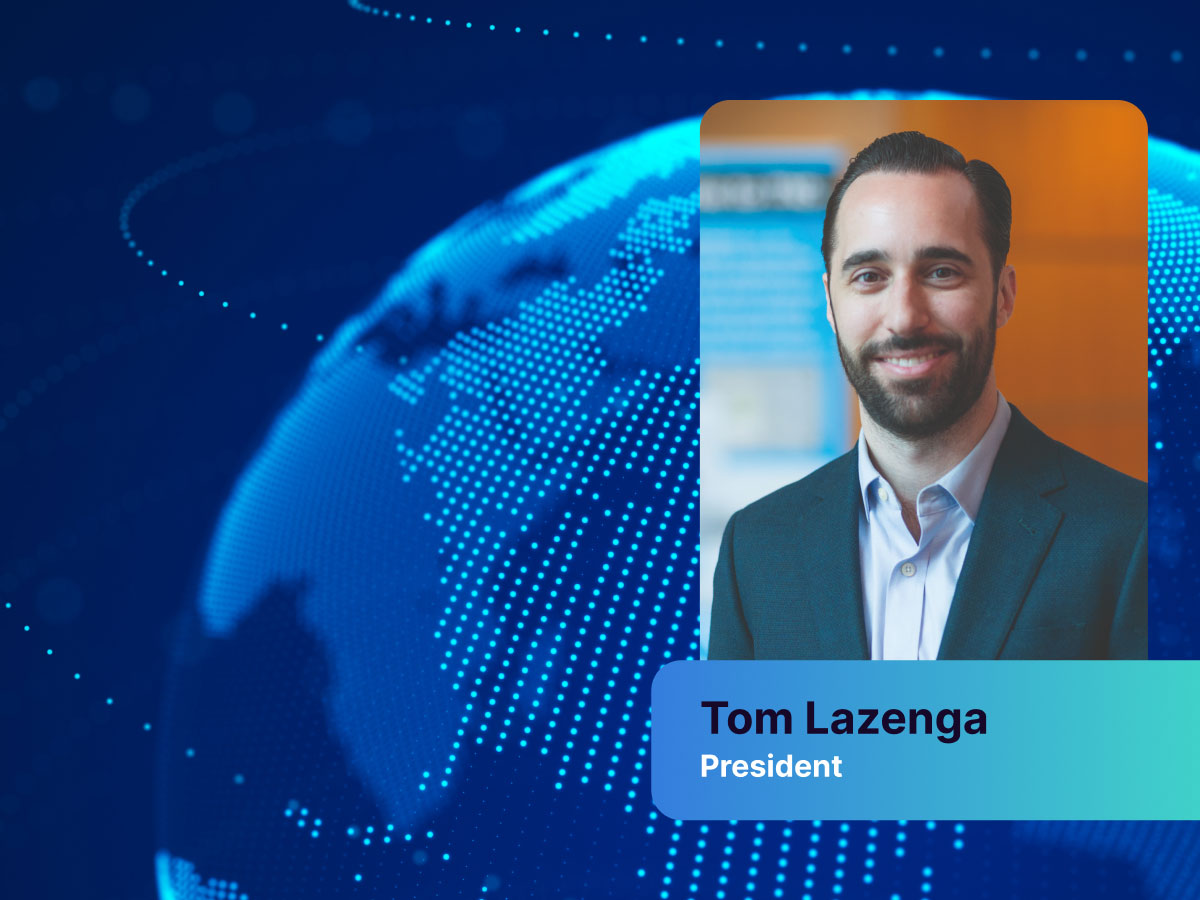
We spoke with Tom Lazenga, President of TNS Financial Markets, about the weeks post-close, why this moment feels significant and what this combination now makes possible.
Q: Now that the deal is complete, does it feel different?
TL: It does.
There’s a shift once you move from planning to operating as one business. The strategy doesn’t change, but it becomes very real, very quickly. You’re no longer talking about potential – you’re delivering it.
It’s early days, but you’re working side by side. You’re seeing how the combined business actually runs. You’re looking at how to deploy the expanded footprint and capabilities in practice. You’re solving client challenges together.
And throughout all of it, the priority is continuity.
In market data and trading infrastructure, stability and performance are table stakes. Clients aren’t thinking about the transaction. They’re thinking about what it means to them day to day and long term. That responsibility doesn’t change.
But the opportunity ahead? That’s energizing.
Q: At what point did it feel like this was more than just a scale move?
TL: The scale is real – it doubles the size of our financial markets business and materially expands our global network. When you look at the combined footprint, we are now operating one of the largest data and trading infrastructure platforms globally.
That matters.
But what really clicked for me came after we closed and we laid the capabilities out clearly. We’re not layering two similar businesses on top of each other. We’re bringing together complementary strengths that genuinely fit.
Radianz is the name brand in financial extranets. They’ve led that space for years. They set the standard for how a global financial extranet should operate. We’ve always respected that, and we’ve built to that standard ourselves.
At TNS, we’ve developed a market leading low latency infrastructure platform. We’ve significantly grown market share and onboarded more market data feeds than anyone else over the last five years.
We’re not just bigger. The market can now come to us for the world’s largest financial extranet, leading low latency connectivity and managed market data operations – in one place. That shifts us into a different position, one that’s hard to replicate.
Q: So, what does that mean in practical terms for clients?
TL: It means they’re building on something strong.
Clients are building environments that need to scale across markets, asset classes and regions. Yes, they want reach, but they also want resilience and long-term investment behind it.
What this gives them is extensive network reach, significant capacity, and operational depth – without changing how they engage with us. And importantly, they’re not sacrificing flexibility or optionality to get that scale.
Our global trading infrastructure operates under a single framework, positioning us to support firms wherever they need to be. As firms expand or reposition their infrastructure, they build on a foundation with extensive reach, depth, and connectivity.
Q: How have the first few weeks of integration actually gone?
TL: Boringly as expected, which in our business is exactly what you want.
We’ve done a lot of acquisitions over the years, and you never quite know what’s going to surface. Culture questions always come up. Operational questions always come up. Do teams align? Do they care about clients the same way? Do they operate with the same discipline?
What’s been encouraging is how aligned we are culturally, particularly around clients and standards. Both organizations take that responsibility seriously. There’s a shared mindset there.
Feedback from the market has been very positive and constructive. We were hearing that even before close.
So far, steady execution is exactly where we want to be.
Q: If you step back from integration, what’s the bigger opportunity?
TL: The opportunity is to simplify how firms deploy and operate trading infrastructure, without limiting their options.
Markets are more interconnected than ever. Governance expectations are rising. Firms are managing a large number of vendors and increasingly complex environments. Infrastructure now shapes performance, risk and long-term scalability.
Clients are asking big questions: how to structure their architecture for growth, how to reduce friction, how to maintain oversight and performance as they scale?
We’ve been operating in this complex space for some time.
But now, with the combined footprint, we can support a large number of markets, destinations and operating models.
We’re not trying to eliminate complexity in the market. That’s not realistic. Our role is to help reduce unnecessary complexity in how firms design, deploy and operate their infrastructure.
Over time, that becomes a meaningful advantage for them.
Q: What should employees feel proud of at this moment?
TL: The energy and the alignment.
There’s real excitement across both businesses. There’s a shared mindset and that is very important for us. Both organizations have long histories in financial markets. There’s pride in what’s been built, and in the standards behind it.
Bringing that experience together is significant.
TNS Financial Markets has grown through a series of acquisitions over the past few years, each one enhancing the business in a different way. This feels like the next step in that journey; we’re not just a leader, but more complete.
That’s something people should feel proud of.
And there’s genuine excitement about what we build from here.
Q: Looking ahead, what does success look like?
TL: It’s whether, 12 months from now, clients feel well positioned. Whether they feel they have a broad reach, clear accountability and a strong foundation for growth.
We’re well capitalized. We’re investing. We’re here for the long game.
The next step is making sure what we’ve built is reflected clearly in how we show up to the market. This is about growth and establishing our role as a leader in global trading infrastructure.
And I’m genuinely excited about where that takes us.
———————————
As global trading environments continue to evolve, infrastructure decisions increasingly shape how firms perform, scale and manage risk. With the transaction now complete, the foundation is strong and the focus now is on building forward.
Fireside Chat Episode 4: EMEA Financial Market Trends
Watch Episode 4 of our Fireside Chat series to learn more about the trends affecting EMEA trading firms in 2026 and beyond.