






eBook includes survey data on top imposter robocall threats facing consumers and ‘high-touch’ businesses
Four out of five Americans believe imposter scams increased in 2025, and more than three-quarters (77%) of US adults say they are very concerned AI technology can be used to convincingly impersonate their voice or identity to access sensitive accounts.
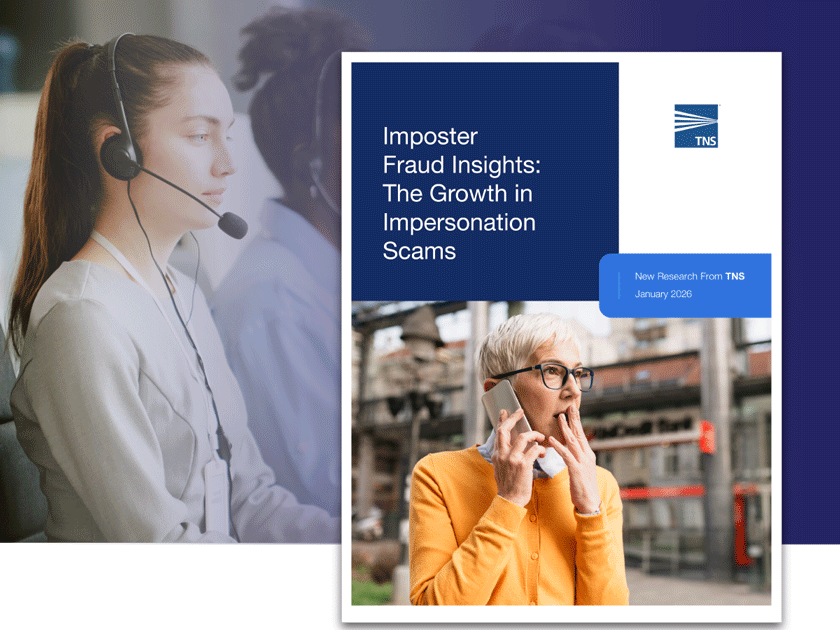
These are just some of the key findings from a new eBook released today by Transaction Network Services (TNS): “Imposter Fraud Insights: The Growth in Impersonation Scams.” The eBook, which includes new consumer survey data, is designed to guide high-touch businesses (banks, insurers, healthcare, retail and hospitality firms, etc.) on how to protect customers and their bottom lines from increasingly sophisticated, often AI-powered, imposter fraud.
The widespread availability of AI technologies has vaulted imposter scams into the second-largest form of fraud, according to the FTC, costing Americans almost $3 billion annually. TNS’ eBook and survey data explore Americans’ experience with robocall impersonation scams, the industries most at risk from this socially engineered fraud tactic, and key technologies available to help organizations restore trust in the voice channel.
More Americans Losing Money to Imposter Scams
More than half (54%) of Americans personally know someone who has lost money to an imposter scam — a fraud epidemic cutting across most business categories that consumers engage with on a regular basis:
- Financial Services: 37% of survey respondents indicated they received a scam call in the last year, where someone was impersonating one of their financial providers.
- Insurance: 38% of people reported they received a call in the last year where someone impersonated an insurance provider about their coverage.
- Healthcare: 36% of US adults say they, or someone they know, have had their healthcare details fraudulently accessed by someone pretending to be them.
- Hospitality: 31% of Americans, or someone they know, have had a travel, hotel or other hospitality booking fraudulently altered by someone pretending to be them.
- Retail: More than half (52%) of US adults, or someone they know, have discovered a retail purchase was made in their name by someone pretending to be them.
Scam Burden Shifting From Consumers To Businesses
While the survey data suggest Americans know what to do to avoid imposter scams if targeted, they have growing concerns about bad actors impersonating them to gain access to sensitive accounts and information. 75 percent of consumers are now more concerned about fraudsters impersonating them to access sensitive accounts than they are about receiving scam calls or texts.
“Imposter fraud presents a growing challenge for businesses that rely on the voice channel to engage their customers, and the American public,” said Seth Walton, General Manager of TNS’ Communications Market business. “These scams are effective because they appear legitimate and exploit victims’ fear to manipulate them. Our latest eBook breaks down the most common imposter fraud tactics — impersonation scams, deepfake robocalls, multi-channel attacks, and grandparent scams — and examines their impact on consumers and enterprises nationwide.”
For more information on Americans’ perceptions of imposter fraud and how TNS can protect enterprises and their customers from these types of scams, download the eBook.
Download the Imposter Fraud Insights eBook
For more information on Americans’ perceptions of imposter fraud and how TNS can protect enterprises and their customers from these types of scams, download the eBook.