



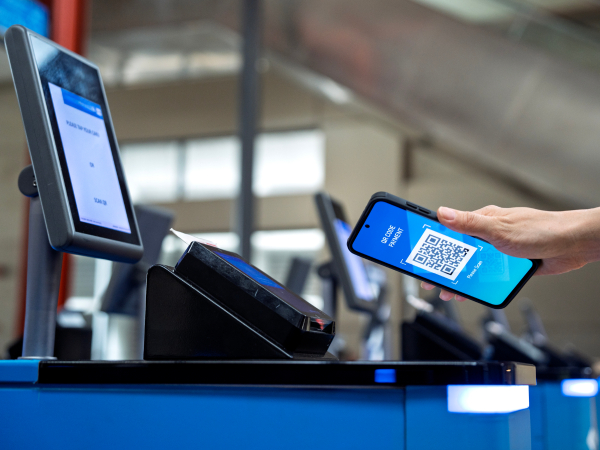






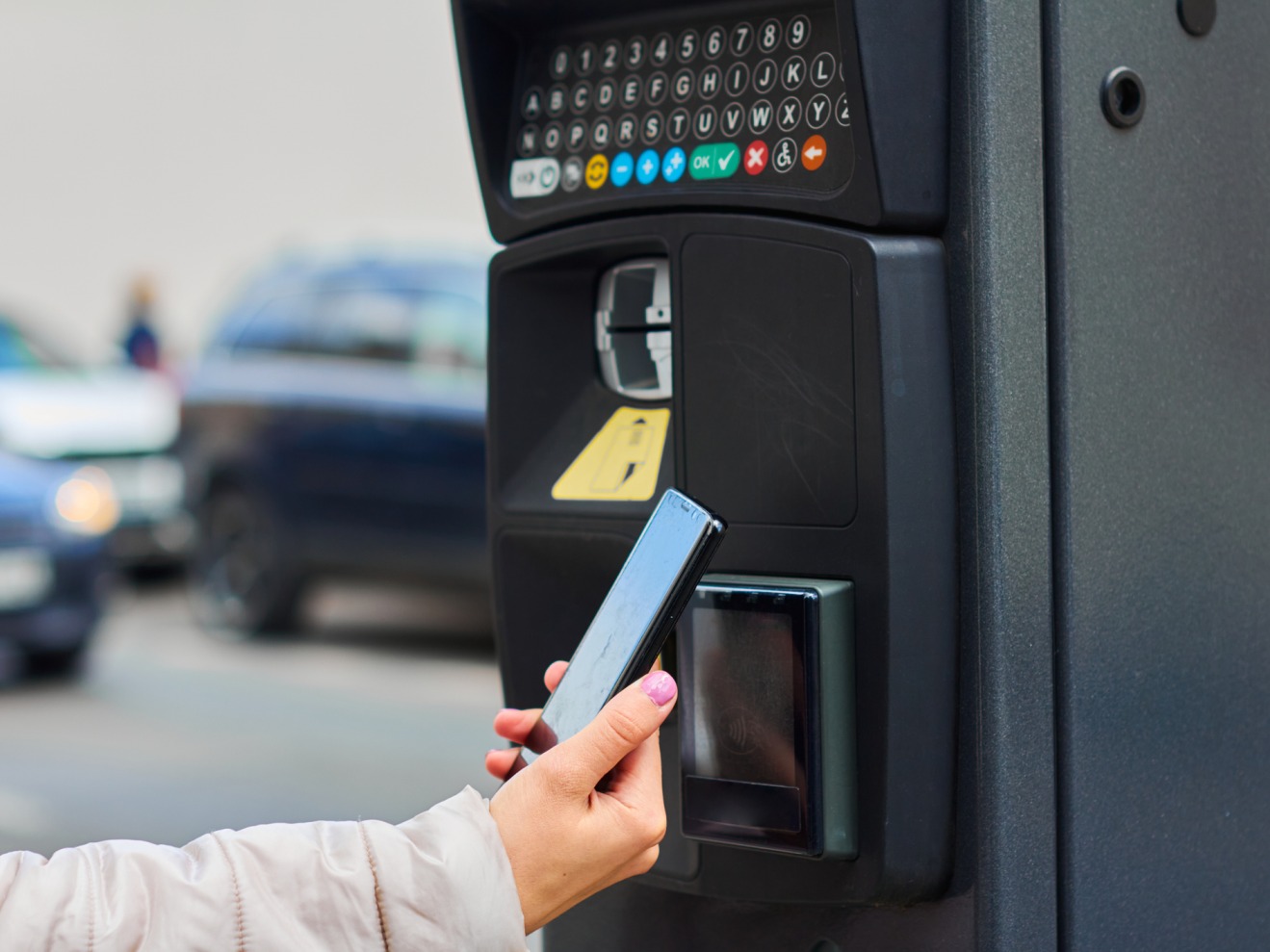
Parking operators are under increasing pressure to deliver faster, more convenient payment experiences for drivers. As digital payments increase in popularity, many operators are beginning to replace traditional pay stations with cashless parking solutions that support cards, mobile wallets and contactless transactions.
While these technologies can help to improve the customer experience, they also introduce new operational challenges. Parking environments rely heavily on unattended systems such as entry gates, kiosks and pay on exit parking systems. When connectivity fails or devices go offline, transactions can be lost and revenue can be impacted.
To help operators understand how to address these challenges, Transaction Network Services (TNS) has published a new eBook exploring how resilient payment infrastructure can support modern parking operations.
The Shift Toward Cashless Parking Solutions
Across many markets, the transition to digital payments is accelerating. Drivers increasingly expect to pay for parking using contactless cards, mobile wallets or parking apps rather than cash.
For operators, adopting cashless parking solutions offers several advantages:
- Faster transactions at entry and exit points
- Reduced cash handling and maintenance costs
- Improved customer experience
- Greater visibility into transactions and operations
However, implementing digital payments requires reliable systems that can process transactions consistently across every parking touchpoint.
The Role of Smart Parking Infrastructure
Modern parking environments depend on smart parking infrastructure that connects multiple devices and systems across a facility.
These systems can include:
- Entry and exit gates
- Pay-on-foot kiosks
- Pay-by-app platforms
- EV charging stations
- License plate recognition systems
Each of these devices becomes part of the payment ecosystem. If a network connection fails or a device goes offline, the entire payment journey can be disrupted.
Reliable connectivity and proactive monitoring are essential to ensure transactions continue to process successfully.
How a Pay on Exit Parking System Relies on Reliable Payments
A pay on exit parking system allows drivers to pay when leaving a facility rather than when entering or using pay-and-display machines.
This approach helps improve traffic flow and provides a convenient experience for drivers. However, it also means that payment processing is concentrated at the exit point.
If payment terminals or network connections fail, operators may be forced to open gates and allow vehicles to leave without completing payment. For this reason, reliable connectivity and resilient payment routing are essential.
Monitoring Devices with Cloud Device Uptime Monitoring
Maintaining reliable operations requires visibility into the status of parking devices and networks.
Cloud device uptime monitoring allows operators to track the health of payment terminals, kiosks and connected equipment in real time. Monitoring platforms can help to quickly identify outages, connectivity issues or device failures before they disrupt operations.
Network monitoring tools also help answer technical questions such as how does SNMP monitor for device uptime. By using Simple Network Management Protocol (SNMP), operators can collect performance data from connected devices and receive alerts when systems experience downtime.
This visibility helps operators maintain service availability and respond quickly when issues arise.
What Is Payment Network Redundancy?
Another critical factor in reliable parking payments is payment network redundancy.
Payment network redundancy helps transactions continue to process even if one network connection or payment processor becomes unavailable.
Common redundancy strategies include:
- Using multiple network connectivity providers
- Routing transactions across multiple acquirers
- Implementing failover systems for parking equipment
- Maintaining backup network paths for critical systems
These measures help reduce downtime and allow drivers to complete payments even when disruptions occur.
Supporting Contactless Parking Payment Solutions
Consumer expectations for fast and convenient transactions continue to grow. As a result, contactless parking payment solutions are becoming standard across modern parking facilities.
For operators, deploying a contactless parking payment solution helps reduce queues, improve customer satisfaction and increase successful transaction completion.
These solutions support a range of payment methods, including:
- Contactless cards
- Mobile wallets
- QR code payments
- App-based parking payments
Supporting contactless parking payments can help improve the driver experience while reducing transaction times and queues at parking facilities. However, these benefits depend on resilient payment infrastructure and reliable connectivity across every device.
Download the Full eBook
As digital payments continue to transform the parking industry, operators must ensure their infrastructure can support reliable transaction processing.
From smart parking infrastructure to payment network redundancy and cloud device uptime monitoring, resilient systems play a critical role in supporting successful cashless parking solutions.
To explore these concepts in more detail, download the full TNS eBook: Designing Resilient Payment Networks for Unattended Parking.
Esther Kinloch is Product Manager for TNS Payments Market with specific responsibilities for Accept Portfolio solutions.
Prepared with assistance from AI.
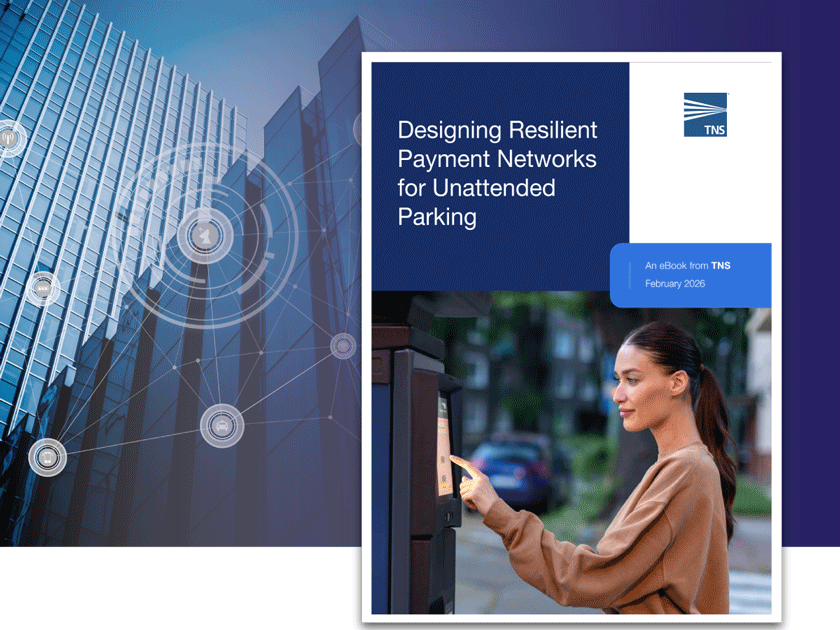
Designing Resilient Payment Networks for Unattended Parking
Download the full TNS eBook.