







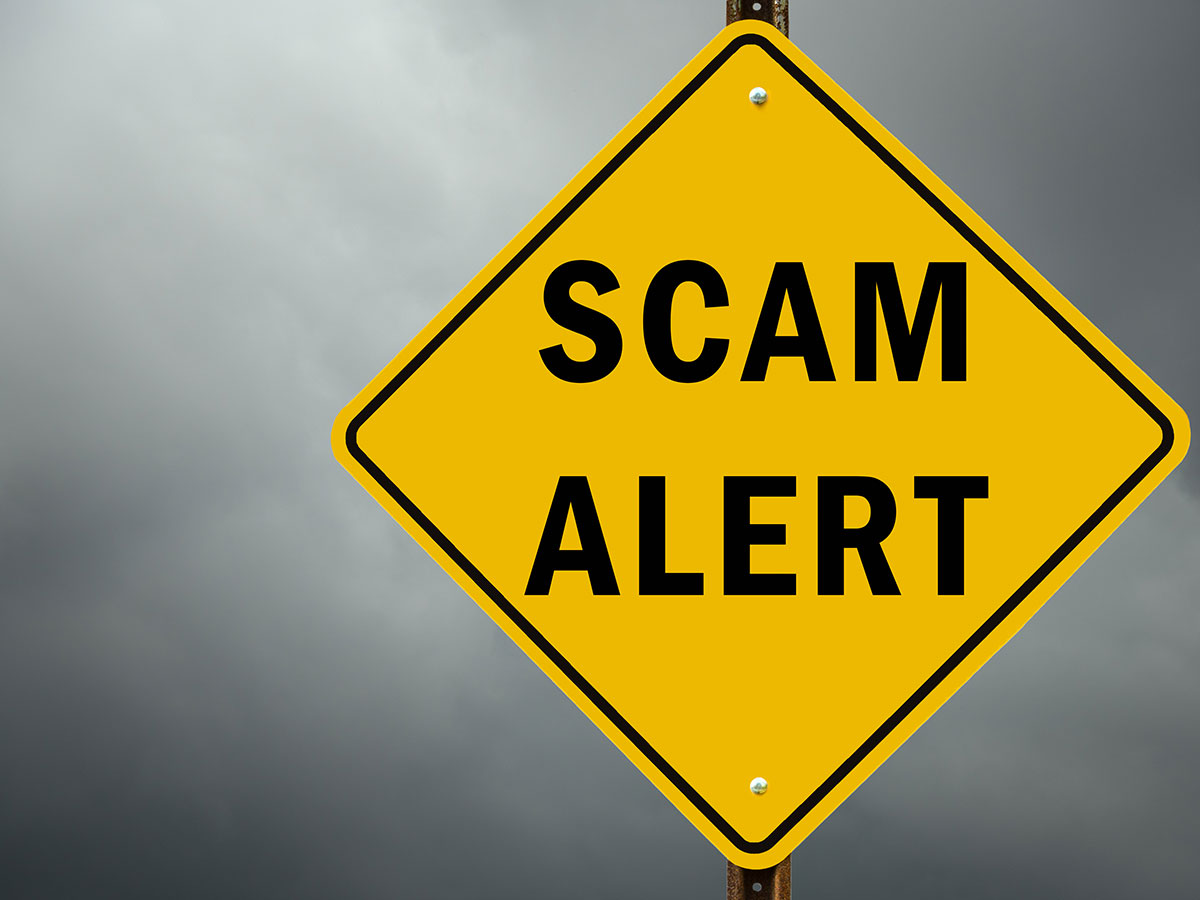
Utility scams have seen a rise in reports as scammers are leveraging January’s North American Winter Storm to pose as utility companies. Whenever people are impacted by environmental events such as winter storms, scammers are quick to find a way to target their vulnerabilities. This time, scammers have been quick to take advantage of the situation and begin a campaign of utility scams.
What Are Utility Scams?
Utility scams see bad actors posing as agents from utility companies via phone calls or other means of communication to defraud their targets. Some of the scenarios that bad actors have used in these scams include:
- Threatening to shut off power due to an ‘outstanding bill’
- Claiming the target has overpaid on their bill due to power outages and are due compensation
How Do Utility Scams Work?
Unfortunately, with many people losing power due to disruptions caused by the wintery conditions, scammers are finding new ways to defraud people out of money. At TNS, we have received multiple reports of such utility scams, below is a transcript of a real attempt :
“Hello. This is a call from your utility company. You have been paying more than your consumption for the previous few months. You will be compensated $50 along with 35% reduction on your electric and gas bill. Please press one to get your compensation.”
Utility scams like this are hoping that targets will not think twice before handing over their bank details to receive their compensation, unknowingly providing scammers with the means to defraud them.
Other instances of the scam have included threatening to turn off electricity and gas suppliers due to ‘unpaid bills’, despite most companies’ having policies to not shut off power for delinquent accounts during weather events like an ice storm. In fact, some states, such as Kansas, Minnesota and Missouri, have a cold weather rule where utility companies cannot cut power to customers who may owe them when the temperature is below freezing.
How to Avoid Utility Scams
Utility scams are designed to create panic, leading to kneejerk reactions from victims to prevent their power being shut off or to receive compensation. There are ways to protect yourself should you receive a call that you think may be a scam:
- Hang up and call your utility company directly. Even if the call you receive names your utility company, it is always best practice to call your utility company directly to confirm if the call is legitimate
- Never provide the caller with your banking details. Your provider will already have this information, if you are asked for it again on an incoming call, call your provider directly to confirm the situation
- Shutting off power due to unpaid bills is not the first course of action. If you receive a call claiming this, do not panic. If you have been behind on your bills, utility companies will send multiple notices and offer payment plans before disconnection
It is best practice to never engage with unknown numbers and report phone numbers being used by scammers to your carrier. If you believe you are the victim of a scam, you can report it to your local police, state Attorney General’s office and the FTC.
Call-blocking apps, including those powered by TNS Call Guardian®, are also a great resource for reporting and blocking unwanted robocalls. Stay vigilant, share information about scams with others and be sure to check out our monthly Scam of the Month page updates.
John Haraburda is Product Lead for TNS Call Guardian® with specific responsibilities for TNS’ Communications Market solutions.
Call Guardian is a registered trademark of Transaction Network Services, Inc.
Prepared with assistance from AI.

Scam of the Month
Stay vigilant, share information about scams with others and be sure to check out our monthly Scam of the Month page updates.